Mac Access User Library From Finder
An iMovie library holds all the media and data used to make movies in iMovie. If your iMovie library is large and you want to free up storage space on your Mac, you can move your iMovie library to an external drive.
Before you move an iMovie library, it's a good idea to back up your Mac.
Jan 28, 2017 I'll show you how to find your Home folder and add it to Finder's sidebar for quick and easy access. 'Home' is actually your user folder The first thing you should know about the Home folder is.
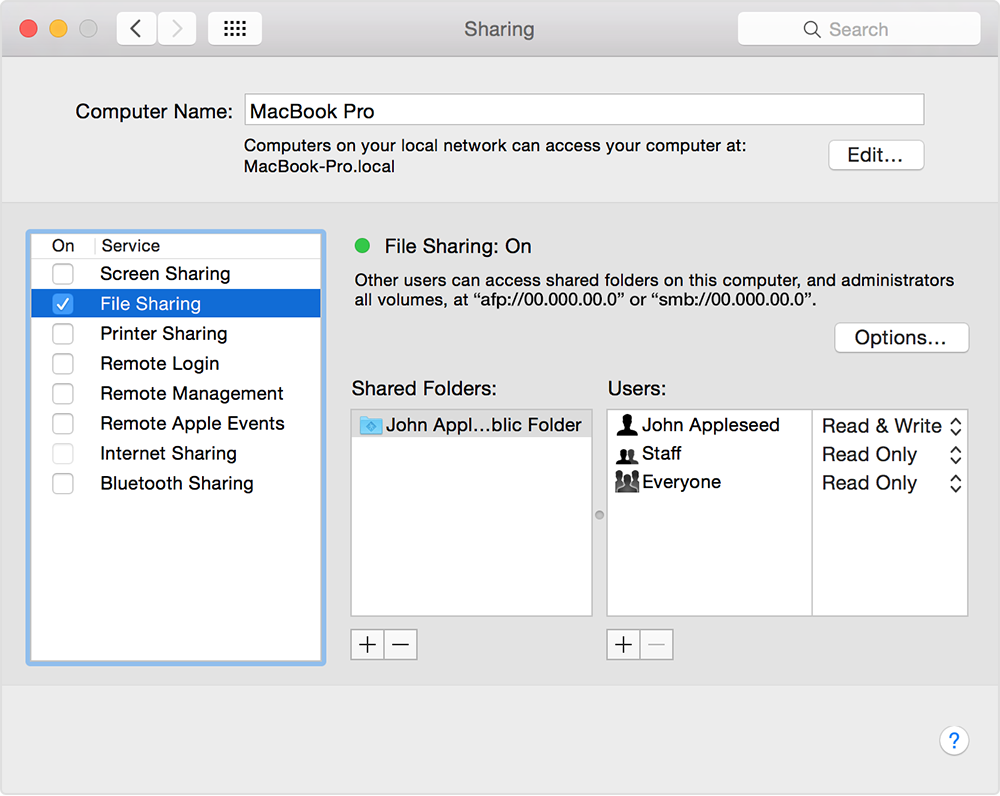
- Some troubleshooting procedures require you to navigate to and view a hidden folder on Mac. You can access the Library folder with the Go To Folder command or from the Terminal app. Access the Library folder in Finder: In Finder, choose Go Go To Folder In the Go To The Folder field, enter /library/ Click Go. Access the Library folder directly through the Terminal: Click the Spotlight Search.
- Perhaps you wanted to tweak something using a tip from Macworld, Mac OS. Folder to access the Library folder. Which an inexperienced user has munged the contents of /Library—a user can.
- Dec 20, 2018 Go to Finder Go Select Go to Folder (or use Shift+Command+G). Type this exactly: /Library. Your user library opens so you can inspect the contents.
Sep 27, 2016 How to Access the Hidden /Library Folder on Your Mac Justin Pot @jhpot September 27, 2016, 1:13pm EDT A lot of Mac tutorials mention the Library folder, which is where your macOS applications store things like settings and caches. Nov 20, 2013 In Finder, open Finder - Preferences. On the sidebar 'tab' tick the box for the little house; this corresponds to /Users/username. /Library/ may be hidden, if you're on Mountain Lion. If so, hold down the Alt / Option key while clicking on the Go menu, and it will appear so you can then click on it. Can't see user library files in macOS X 10.7 and later Method 1. In the Finder, choose Go Go to Folder. Hold down the Alt (Option) key when using the Go menu. The user Library folder is listed below the current user's home directory. Additional information. For more information.
How to create a new iTunes library on Mac besides the original one? Step 1: Before you start anything, quit iTunes if it’s open right now. Keep pressing the Option Key for Mac Users, and also tap the iTunes icon. Step 2: Fill out the details when it asks you to tell your name and location for the. Oct 07, 2019 Switch to another iTunes library. Hold down the Option key, then open the Music app or Apple TV app. In the window that appears, click Choose Library. Select a library, then click Choose. How to open a previous itunes library mac.
Moving your library to an external hard drive doesn’t affect any iMovie Theater content you have moved to iCloud.
Prepare your drive
You can store your library on an external storage device such as a USB Thunderbolt drive formatted as APFS or Mac OS Extended (Journaled). Apple doesn’t recommend storing iMovie libraries on external storage devices like SD cards and USB flash drives, or drives shared on a network.
You can’t store your library on an external drive or other disk used for Time Machine backups.
View Users Library Directory Mac
Move a library to an external storage device
- Quit iMovie.
- Select your external drive in the Finder, then choose File > Get Info.
- If the information in Sharing & Permissions isn’t visible, click the triangle , then make sure the 'Ignore ownership on this volume' checkbox is selected. If it's not selected, click the lock icon to unlock it, enter an administrator name and password, and then select the checkbox.
- Click your desktop to make sure that you’re in the Finder, then choose Go > Home from the menu bar at the top of your screen.
- Open the Movies folder, then drag the file named iMovie Library to your external hard drive.
- When the library file is finished copying to your external drive, double-click the library file on the external drive to open it in iMovie. If an alert appears asking you to give iMovie access to a removable volume, click OK.
If you clicked Don't Allow, in the Finder choose Apple menu > System Preferences, click Security and Privacy, then click Privacy. Click Files and Folders in the sidebar, then select 'Removable Volumes' under iMovie. - Make sure the library you moved contains all your media, then drag the original file from your Movies folder on your Mac to the Trash.
If you disconnect the external drive
When your external drive is connected to your Mac, the library you moved to the external drive opens automatically in iMovie. If you disconnect the external drive containing the library, iMovie opens to a new, empty library created in the Movies folder on your Mac. iMovie automatically saves any projects you create and media you import in the new library.
Mac Access User Library From Finder Download
If you want to open the library you moved to an external drive, you can open it after you reconnect the external drive. You can then move clips, events, and projects between libraries.