How To View Mac Os Library Folder
The Library folder, at the root level of your Mac OS X Lion hard drive, is like a public library; it stores items available to everyone who logs into an account on this Mac. You can find three Library folders on your hard drive: the one at the root level of your OS X disk, a second inside the root-level System folder, and a third in your Home folder.
In earlier versions of Mac OS X, you would have seen a folder named Library between the Downloads and Movies folders in your Home folder. But that was then, and this is now. In Mac OS X Lion, the Home Library folder is hidden from view to protect you from yourself.
How To Open Library In Mac
Leave the /System/Libraryfolder alone. Don’t move, remove, or rename it, or do anything within it. It’s the nerve center of your Mac. In other words, you should never have to touch this third Library folder.
Library Folder On Mac Caspian
You find a bunch of folders inside the Library folder at root level (the public Library folder). Most of them contain files that you never need to open, move, or delete.

Jul 21, 2011 This is how to locate your library Folder on macOS & Mac OS X Code: /Library. This is how to locate your library Folder on macOS & Mac OS X Code: /Library. Skip navigation Sign in. Dec 30, 2016 Click the “View” menu and then click “View Options” Click the “Show Library Folder” option in the Settings options for the User home folder, as shown below. Following the above steps will change the settings for only the current user. Any other users will also have to follow the above steps while logged into the machine. May 01, 2019 In macOS, the library folder is used to store user account settings, preference files, app support files, caches, and other important data that allows your Mac to function as it should.
By and large, the public Library subfolder that gets the most use is the Fonts folder, which houses many of the fonts installed on the Mac. For the most part, fonts can be made available in one of two ways:
Merge your photo libraries in the Photos app. Delete unwanted photos. In this article, we’ll show you how to organize photos on your Mac in three easy steps:. Group pictures using Smart Albums in PhotosStep 1. 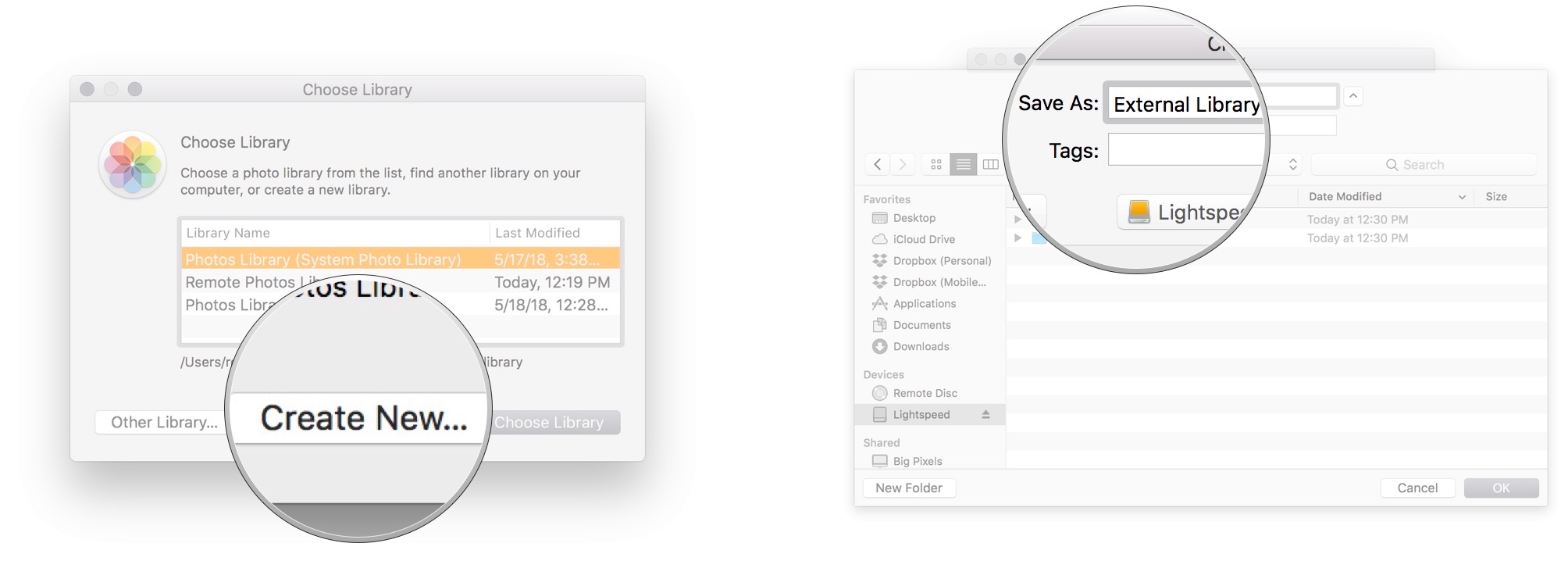
To everyone who uses the Mac: If that’s the case, they’re stored in the Fonts folder.
To a single user: In this case, you place the fonts in the user’s Library folder (the one in the user’s Home folder).
Some other public Library subfolders that you might use or add to are the iMovie, iTunes, iPhoto, and iDVD folders (where you put plug-ins for those programs); the Scripts folder (which houses AppleScripts accessible to all users); and the Desktop Pictures folder (where you can place pictures to be used as Desktop backgrounds).
Leave the “public” Library folder pretty much alone unless you’re using the Fonts folder or know what you’re adding to one of the other folders. Don’t remove, rename, or move any files or folders. Mac OS X uses these items and is very picky about where they’re kept and how they’re named.
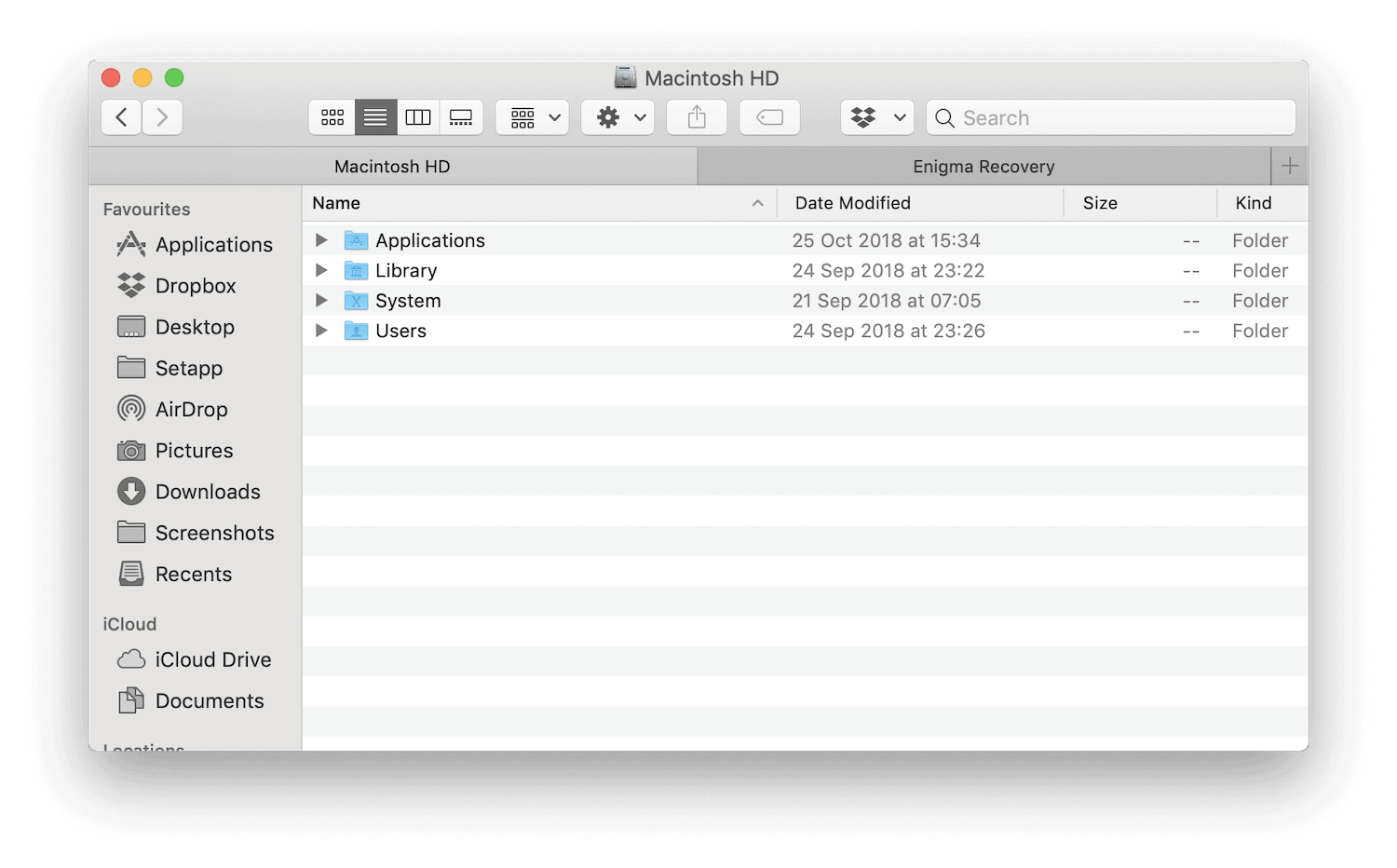
If your Mac is set up for multiple users, only users with administrator (admin) privileges can put stuff in the public (root-level) Library folder.
The invisible Library subfolder of your Home folder is the repository of everything that OS X needs to customize your Mac to your tastes. If you want to add something to a Library folder, it’s usually best to add it to your Home/Library folder.
You won’t spend much time (if any) adding things to the Library folder or moving them around within it, and that’s probably why it’s now hidden from sight. Still, it’s a good idea for you to know what’s in your Home/Library.
How to Delete Photo Library from iPhone Using iTunesStep 1: Connect your iPhone to the computer where your iPhone was synced photos via USB cable.Step 2: Then, head into iTunes. Reset photo library mac os. Apple's official way to remove photo library is unsync the photos on iTunes. Lots of users also called photo library, the synced photos. At the upper left corner, select the device icon.Step 3: Tap on 'Photos' from the left sidebar.Step 4: The 'Sync Photos' will be checked by default.
The public Library folder is used to specify preferences for all users on this Mac. This Library folder, however, is all about you and your stuff.
Be cautious with all Library folders. OS X is very persnickety about how the folders and files within it are organized. You can add items to and remove items safely from most public or Home Library folders, but leave the folders themselves alone. If you remove or rename the wrong folder, you could render OS X inoperable.
It’s like the old joke about the guy who said to the doctor, “It hurts when I do that,” and the doctor replies, “Then don’t do that.”
To find your hidden Home/Library folder, do this:
Hold down the Option key on your keyboard.
Click the Go menu.
The (formerly) invisible Library folder appears in the Go menu as long as the Option key is pressed.
Select Library and release the mouse button.
You should see several folders in the Home/Library folder; the exact number depends on the software that you install on your Mac. You probably have folders called Mail, Safari, Logs, and Preferences, for example.
If you don’t want to have to do this dance every time you want to open your Home/Library, select your Home folder in the Finder and choose View→Show View Options (or press Command+J). Enable the Show Library Folder check box and your Home Library will be visible evermore (or at least until you deselect the check box).
Some of the most important standard folders in the Library folder include the following:
Application Support: Some applications store their support files here; others store theirs in the main (root-level) public Library folder.
Fonts: This folder is empty until you install your own fonts here. The easiest way to install a font is to double-click its icon and let the Font Book utility handle it for you. Here’s how to install a font manually:
To install a font that only you can use: Drag the font file’s icon to the Fonts folder in your Home/Library. The font is available only to this user account (because other users can’t use fonts stored in yourHome/Library folder).
To install a font for all users of this Mac: Drag the font file’s icon into the Fonts folder in the public Library folder — the one at root level that you see when you open your hard drive’s icon.
Preferences: The files here hold the information about whichever things you customize in OS X or in the applications you run. Whenever you change a system or application preference, that info is saved to a file in the Preferences folder.
Don’t mess with the Preferences folder! You should never need to open or use this folder unless something bad happens — say, you suspect that a particular preferences file has become corrupted (that is, damaged). Just forget that you know about this folder and let it do its job.
If you don’t know why you’re doing something to a folder (other than the Fonts folder) in your Home/Library, don’t do it. There must be some good reasons why Apple decided to hide the Home/Library folder in OS X Yosemite, and one of them is to keep you from accidentally screwing something up.